

Bridging The Gap Between AI-Generated Design & Print-Ready Artwork
2026/02/18
Artificial intelligence has transformed the creative industry, offering new ways to generate visual concepts quickly and efficiently.
However, while AI-generated designs can inspire and accelerate the creative process, they are not always ready for professional printing or commercial use.
Understanding the difference between AI-generated design and print-ready artwork is essential for businesses that value quality, consistency, and brand integrity.

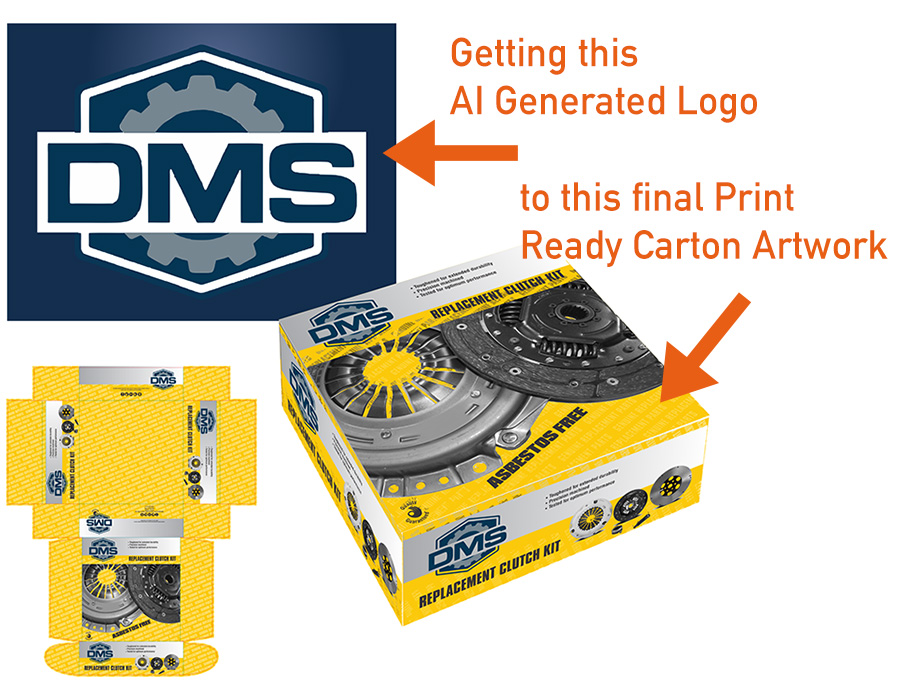
Understanding AI-Generated Design
AI-generated design refers to visual content created using artificial intelligence tools that interpret prompts, styles, and parameters to produce images, layouts, or concepts. These tools are excellent
for:
- Rapid idea generation and visual brainstorming
- Exploring multiple design directions
- Creating concept art or mood boards
- Producing digital assets for online use
However, AI-generated visuals often lack the technical precision required for print production. They may include inconsistent colour profiles, low-resolution elements, or design artefacts that become visible when scaled or printed.
What Makes Artwork Print-Ready
Should Consider
Print-ready artwork is a professionally prepared file that meets all technical specifications for highquality printing. This includes:
- Correct resolution (typically 300 DPI or higher)
- CMYK colour mode for accurate colour reproduction
- Proper bleed, trim, and margin settings
- Embedded or outlined fonts
- Vector-based graphics where necessary
Usage Environment
Print-ready artwork ensures that the final printed product matches the intended design, maintaining clarity, colour accuracy, and professional finish across all materials.
Why the Distinction Matters
For businesses, especially those producing marketing materials, packaging, or branded collateral, the difference between AI-generated design and print-ready artwork can significantly impact brand perception. Using AI-generated visuals without proper refinement can lead to:
- Blurry or pixelated prints
- Colour mismatches between digital and physical versions
- Layout inconsistencies or missing elements
- Legal or licensing issues if AI-generated content is not verified for commercial use
Professional designers bridge this gap by refining AI-generated concepts into production-ready artwork that aligns with brand standards and print requirements.
The Role of Professional Design Services
At Harrison Consulting (www.harrison-consulting.co.uk), the focus is on combining innovation with precision. AI tools are used to enhance creativity and efficiency, but every design is reviewed, refined, and prepared by experienced professionals to ensure it meets print and brand standards. This approach ensures that clients benefit from the speed of AI without compromising on quality or professionalism.
Final Thoughts
AI-generated design is a powerful creative tool, but it is not a substitute for print-ready artwork. Businesses that understand and respect this distinction can harness the best of both worlds—using AI for inspiration and professional design expertise for execution. By partnering with a consultancy like Harrison Consulting, organisations can ensure that every visual asset, from concept to print, reflects their brand with clarity, consistency, and confidence.

Let's Get Started!
Give Paul a call today to discuss your latest project and how Harrison Consulting can help get the results you need.