

Display and Point of Sale Design for B2B Brands
2026/01/21
Display and point of sale (POS) design for B2B brands is often misunderstood. While display and POS are commonly associated with consumer retail and impulse purchases, their role in B2B environments is very different
For manufacturing, engineering and industrial organisations, display and POS are strategic tools that support informed decision-making, reinforce credibility and assist sales activity.
From distributor showrooms and trade counters to exhibitions and permanent display spaces, effective B2B display and POS design helps organisations present complex products clearly and consistently at key moments in the buyer journey.

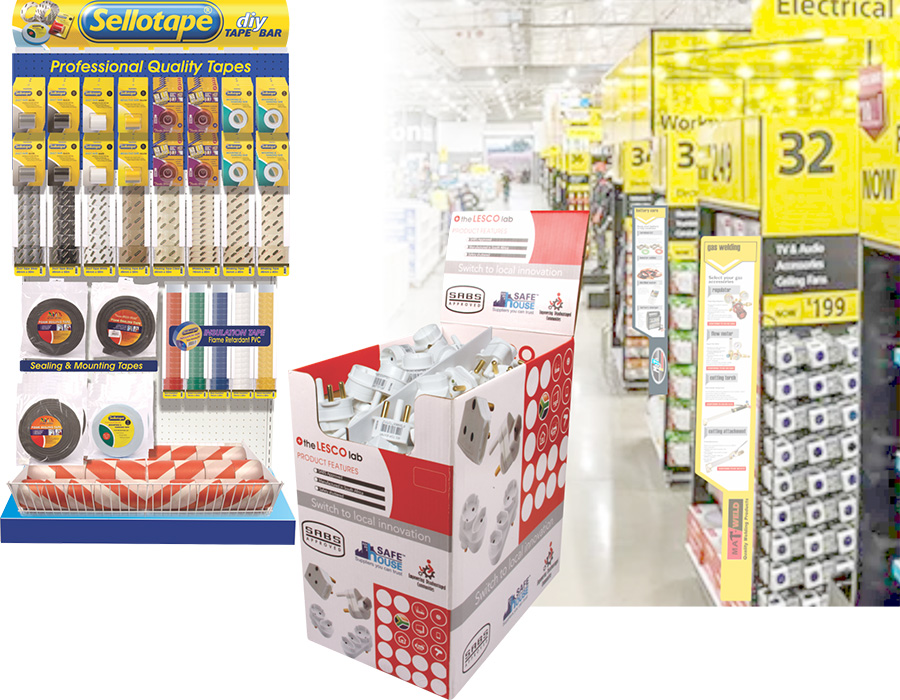
The Role of Display and POS in B2B Marketing
In B2B markets, buying decisions are rarely immediate. They involve multiple stakeholders, technical evaluation and long consideration periods. Display and POS materials support this process by providing structured information at critical points of interaction.
Effective B2B Display and Point of Sale
- Reinforce brand credibility and professionalism
- Make complex products easier to understand
- Support sales teams and distributors
- Ensure consistent communication across physical touchpoints
Rather than replacing sales conversations, display and POS work alongside them, helping to guide discussions and reduce friction.
Understanding B2B Display Environments
Unlike consumer retail, B2B display environments are often functional, space-constrained and information-heavy. Trade counters, industrial showrooms and distributor locations require solutions that balance visibility with practicality
Effective B2B display design considers:
- Limited dwell time
- Technically knowledgeable audiences
- Space and layout restrictions
- Durability and long-term use
Clarity and Information Hierarchy in B2B POS Design
Clarity is critical in B2B POS design. Audiences such as engineers, procurement professionals and installers need to assess products quickly and accurately. Strong B2B display and POS design prioritises:
- Clear product identification
- Logical grouping of ranges or systems
- Structured, concise messaging
- Strong visual hierarchy to guide attention
Rather than overwhelming the viewer, effective displays highlight essential information first, with deeper technical detail available through supporting materials such as datasheets, brochures or digital content.
Supporting Sales and Distribution Channels
In many cases, display and POS materials must work without direct brand representation. In distributor environments, they often act as a silent salesperson.
Well-designed B2B point of sale materials help to:
- Communicate key benefits consistently
- Reduce reliance on verbal explanations
- Support cross-selling and up-selling
- Maintain brand standards across multiple locations
This consistency is particularly important for B2B brands operating through distributor and reseller networks.
Designing for Durability, Longevity and Scalability
B2B display and POS materials are typically used over longer periods than consumer equivalents. They must withstand frequent handling, transport and varied environments.
Effective B2B display design accounts for:
- Robust materials and construction
- Modular or adaptable systems
- Ease of updating content
- Long-term cost efficiency
Designing scalable systems rather than one-off solutions ensures displays remain effective as product ranges evolve.
Brand Consistency Across Physical Touchpoints
Display and POS are key physical brand touchpoints. Inconsistent or poorly designed materials can undermine wider brand and marketing efforts.
Strong B2B display and POS design:
- Aligns with brand guidelines
- Uses consistent typography, colour and tone of voice
- Reflects the organisation’s positioning and values
When display materials align with websites, catalogues and advertising, they reinforce recognition and trust throughout the buyer journey.
Integrating Digital Elements into B2B POS
Digital elements can enhance B2B display and POS design when used strategically. Screens, QR codes and interactive elements can provide access to deeper technical information without cluttering the physical display.
Effective integration ensures digital elements:
- Add genuine value
- Are easy to update and maintain
- Support, rather than distract from, core messaging
The focus should remain on usability and relevance rather than novelty.
Why Specialist B2B Display and POS Design Matters
B2B display and POS design requires a different approach from consumer retail design. It demands an understanding of complex products, technical audiences and professional environments.
A specialist B2B design consultancy helps ensure display and POS solutions:
- Communicate clearly to knowledgeable audiences
- Support sales and distribution objectives
- Are practical, durable and scalable
- Align with broader brand and marketing strategy
This strategic approach ensures investment in display and POS delivers long-term commercial value.
Final Thoughts
Effective display and point of sale design for B2B brands is built on clarity, structure and purpose. Whether used in distributor showrooms, trade environments or exhibitions, well-designed display and POS materials support informed decision-making and reinforce brand credibility.
For industrial and technical organisations, success lies not in visual noise but in clear communication, consistency and practical design. When approached strategically, B2B display and POS become a powerful part of a coherent, effective marketing system.
If you would like to explore how professional B2B display and POS design can support your organisation, Harrison Consulting provides specialist consultancy and design services tailored to complex B2B environments.
B2B point of sale design, display design for B2B brands, point of sale for manufacturing companies, point of sale for engineering companies, point of sale for industrial organisations

Let's Get Started!
Give us a call to chat about your next Display and Point of Sale Design project.